

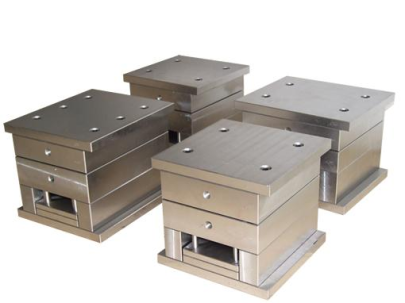
Choosing the Right Tool Steel Plate: A Guide for Mould Base Manufacturers
When it comes to manufacturing mould bases, selecting the proper tool steel plate is crucial. The right material not only impacts the longevity and performance of the mould but also affects the overall manufacturing process. This guide will help you navigate through the intricacies of choosing the right tool steel plate, considering factors like durability, heat resistance, and cost-effectiveness.
Understanding Tool Steel Plates
Tool steel plates are specifically designed to withstand high stresses and temperatures. They play a critical role in the production of mould bases, which are essential for various manufacturing processes, particularly in industries like automotive and consumer goods. Tool steels, known for their hardness and wear resistance, are the most suitable materials for making mould bases due to their ability to maintain sharp edges and resist deformation under load.
Types of Tool Steel Plates
There are several types of tool steel plates available in the market, each offering unique properties. Here's a brief overview:
- Air-Hardening Steel: This type hardens in air, ideal for larger moulds.
- Water-Hardening Steel: Less expensive, but can warp during hardening.
- Oil-Hardening Steel: Excellent dimensional stability, making it versatile.
- Cold Work Steel: Known for its high wear resistance, perfect for detailed moulds.
Key Considerations When Selecting Tool Steel Plates
Choosing the right tool steel plate involves understanding your specific needs. Here are some key considerations:
| Factor | Consideration |
|---|---|
| 1. Hardness | Choose a plate that meets the hardness requirements of your application. |
| 2. Toughness | Ensure the material can withstand unexpected forces without cracking. |
| 3. Wear Resistance | Select a plate that will resist wear over time, prolonging the mould's life. |
| 4. Heat Resistance | For high-temperature applications, opt for heat-resistant grades. |
Benefits of Using the Right Tool Steel Plate
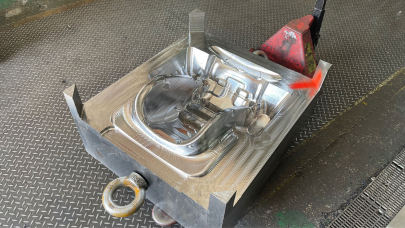
Opting for the appropriate tool steel plate leads to numerous advantages:
- Improved Durability: High-quality steel plates endure wear and tear.
- Cost-Effectiveness: Investing in the right material minimizes replacements and repairs.
- Enhanced Production Efficiency: Quality plates lead to more reliable outputs.
Copper Bar Top and Its Significance
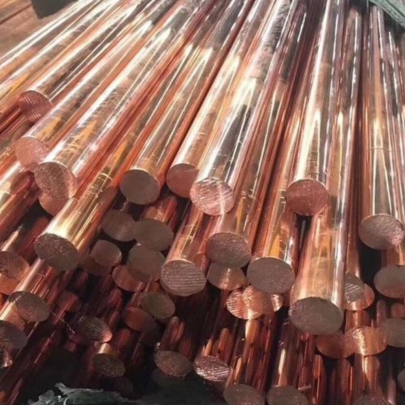
In mould manufacturing, elements like the copper bar top can significantly enhance the thermal conductivity of the mould. By integrating a copper block seal, manufacturers can ensure efficient heat transfer, which is essential for the quality of the final product. Here’s why these elements matter:
- Helps maintain consistent temperatures.
- Reduces cycle times.
- Enhances the overall quality of moulded products.
Frequently Asked Questions (FAQ)
1. What is the best tool steel for mould bases?
Many manufacturers recommend D2 tool steel due to its exceptional hardness and wear resistance, though other options may suit specific applications better.
2. How do I maintain tool steel plates?
Regular inspection and proper cleaning after each use will extend the life of your tool steel plates. Avoid exposing them to moisture to prevent corrosion.
3. Can I use general steel for mould bases?
While general steel may work for low-stress applications, tool steel is highly recommended for mould bases due to its superior characteristics.
Conclusion
Selecting the right tool steel plate is a fundamental step for mould base manufacturers. It influences everything from the effectiveness of your production processes to the durability of the moulds themselves. By understanding the various types of tool steel, key considerations like hardness and wear resistance, along with the benefits of using high-quality materials, you can make informed decisions that will lead to greater success in your manufacturing endeavors. Whether you're integrating a copper bar top or considering options for a copper block seal, ensuring quality in every aspect will set your manufacturing apart.